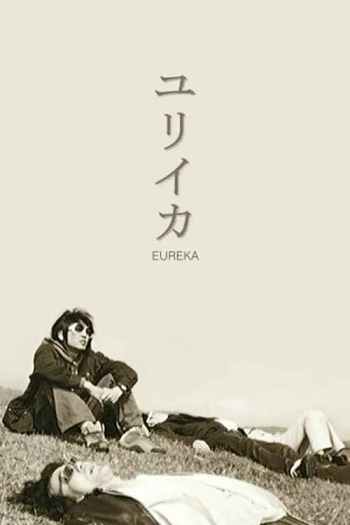
 #293 – Eureka, (ユリイカ), 2000, Shinji Aoyama


The traumatized survivors of a murderous bus hijacking come together and take a road trip to attempt to overcome their damaged selves. Meanwhile, a serial killer is on the loose.
#293 – Eureka, (ユリイカ), 2000, Shinji Aoyama
The traumatized survivors of a murderous bus hijacking come together and take a road trip to attempt to overcome their damaged selves. Meanwhile, a serial killer is on the loose.
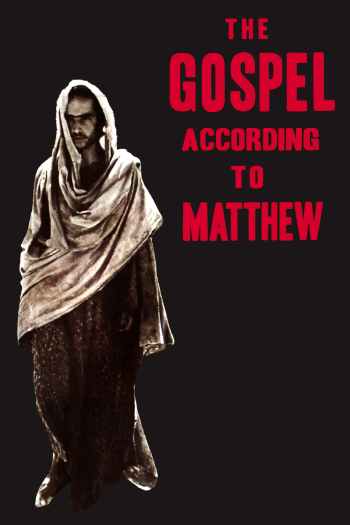 #303 – The Gospel According to Matthew, (Il vangelo secondo Matteo), 1964, Pier Paolo Pasolini

The life of Jesus Christ according to the Gospel of Matthew. Pasolini shows Christ as a marxist avant-la-lettre and therefore uses half of the text of Matthew.
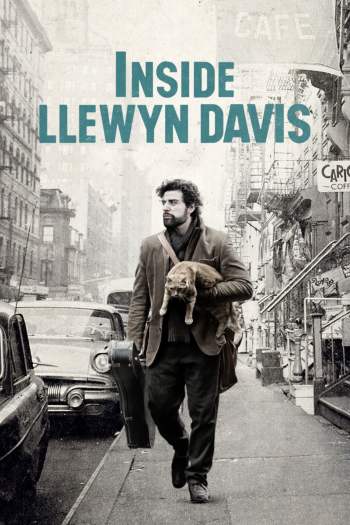 #309 – Inside Llewyn Davis, 2013, Joel Coen & Ethan Coen


In Greenwich Village in the early 1960s, gifted but volatile folk musician Llewyn Davis struggles with money, relationships, and his uncertain future following the suicide of his singing partner.
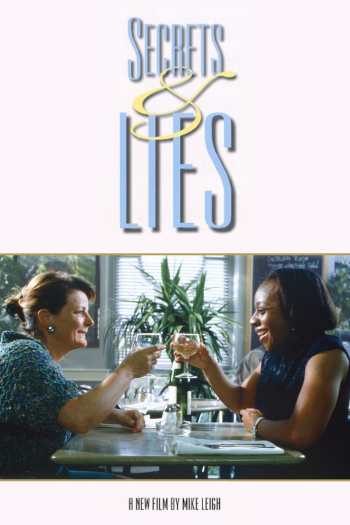 #313 – Secrets & Lies, 1996, Mike Leigh
A middle-aged London factory worker is shocked when the mixed-race daughter she gave up at birth decides to track her down. At first she denies she is her mother. All family members become emotional, as everyone’s secrets are exposed.
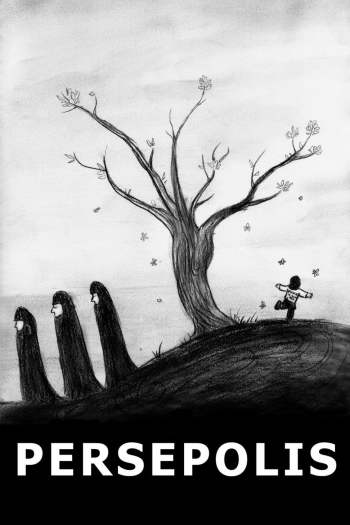 #314 – Persepolis, 2007, Vincent Paronnaud & Marjane Satrapi

In 1970s Iran, Marjane ‘Marji’ Statrapi watches events through her young eyes and her idealistic family of a long dream being fulfilled of the hated Shah’s defeat in the Iranian Revolution of 1979. However as Marji grows up, she witnesses first hand how the new Iran, now ruled by Islamic fundamentalists, has become a repressive tyranny on its own.
 JUMBO CACTUAR APPROVED FILM
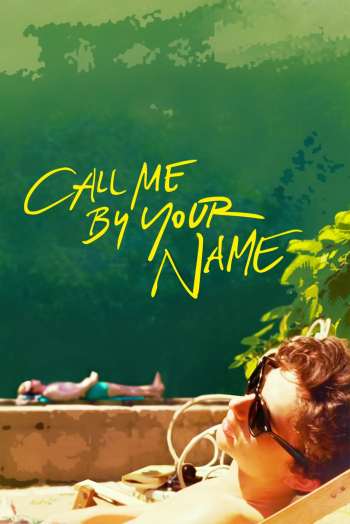 #316 – Call Me by Your Name, 2017, Luca Guadagnino

In 1980s Italy, a relationship begins between seventeen-year-old teenage Elio and the older adult man hired as his father’s research assistant.
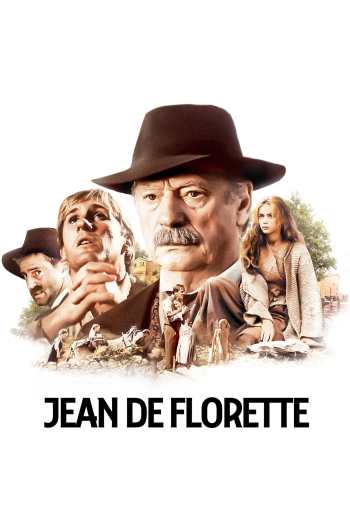 #320 – Jean de Florette, 1986, Claude Berri
In a rural French village, an old man and his only remaining relative cast their covetous eyes on an adjoining vacant property. They need its spring water for growing their flowers, and are dismayed to hear that the man who has inherited it is moving in. They block up the spring and watch as their new neighbour tries to keep his crops watered from wells far afield through the hot summer. Though they see his desperate efforts are breaking his health and his wife and daughter’s hearts, they think only of getting the water.
 #325 – Three Colors: Blue, (Trois couleurs : Bleu), 1993, Krzysztof Kieślowski

Julie is haunted by her grief after living through a tragic auto wreck that claimed the life of her composer husband and young daughter. Her initial reaction is to withdraw from her relationships, lock herself in her apartment and suppress her pain. But avoiding human interactions on the bustling streets of Paris proves impossible, and she eventually meets up with Olivier, an old friend who harbors a secret love for her, and who could draw her back to reality.
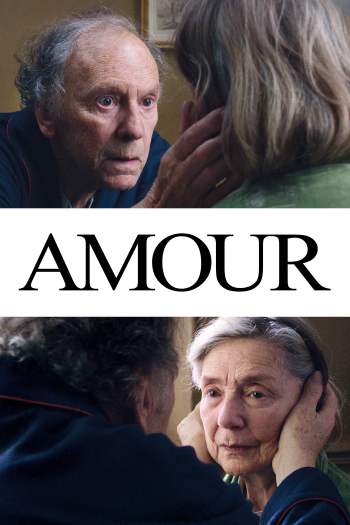 #327 – Amour, 2012, Michael Haneke


Georges and Anne are in their eighties. They are cultivated, retired music teachers. Their daughter, who is also a musician, lives abroad with her family. One day, Anne has a stroke, and the couple’s bond of love is severely tested.
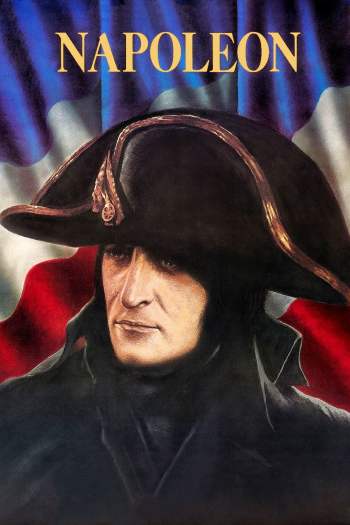 #339 – Napoleon, (Napoléon), 1927, Abel Gance
A massive 5 1/2 hour biopic of Napoleon, tracing his career from his schooldays (where a snowball fight is staged like a military campaign), his flight from Corsica, through the French Revolution (where a real storm is intercut with a political storm) and the Terror, culminating in his triumphant invasion of Italy in 1797 (the film stops there because it was intended to be part one of six, but director Abel Gance never raised the money to make the other five). The film’s legendary reputation is due to the astonishing range of techniques that Gance uses to tell his story, culminating in the final twenty-minute triptych sequence, which alternates widescreen panoramas with complex multiple- image montages projected simultaneously on three screens.

 Jumbo Cactuar Film Index