#918: Good Morning

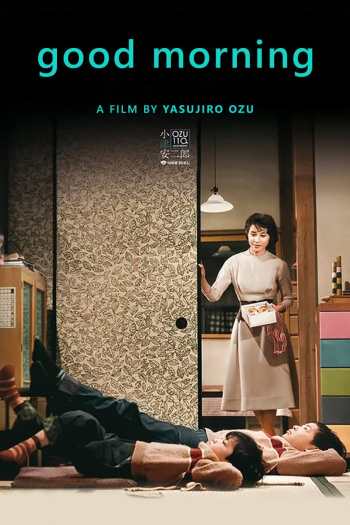
qpimwwgwqcqw5rskfknwknhmle3#918 – Good Morning, (お早よう), 1959, Yasujirō Ozu
Japan

A lighthearted take on director Yasujiro Ozu’s perennial theme of the challenges of inter­generational relationships, Good Morning tells the story of two young boys who stop speaking in protest after their parents refuse to buy a television set. Ozu weaves a wealth of subtle gags through a family portrait as rich as those of his dramatic films, mocking the foibles of the adult world through the eyes of his child protagonists. Shot in stunning color and set in a suburb of Tokyo where housewives gossip about the neighbors’ new washing machine and unemployed husbands look for work as door-to-door salesmen, this charming comedy refashions Ozu’s own silent classic I Was Born, But… to gently satirize consumerism in postwar Japan.

#919: Battles Without Honor and Humanity: Proxy War

9ucid2y7chfzps3z15saodx5ei7#919 – Battles Without Honor and Humanity: Proxy War, (仁義なき戦い 代理戦争), 1973, Kinji Fukasaku
Japan

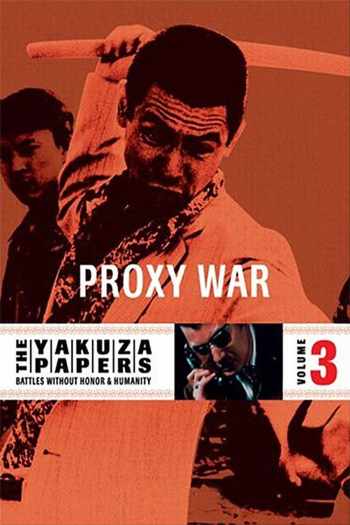
Shozo Hirono has managed to separate from the Yamamori family and create his own small family, and extend his circle of acquaintances. These new friendships include a powerful underboss of the Muraoka family, Noboru Uchimoto.

Jumbo Cactuar JUMBO CACTUAR APPROVED FILMJumbo Cactuar

#929: Assassination

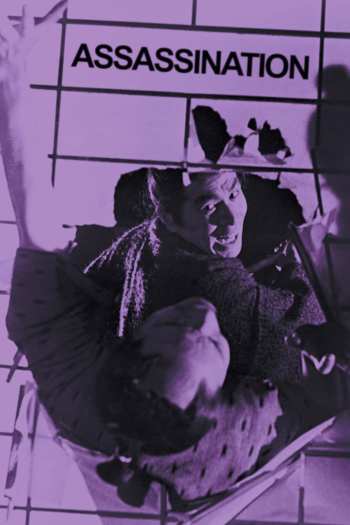
cw6mpswdaqluu1snov0ddzya5rd#929 – Assassination, (暗殺), 1964, Masahiro Shinoda
Japan

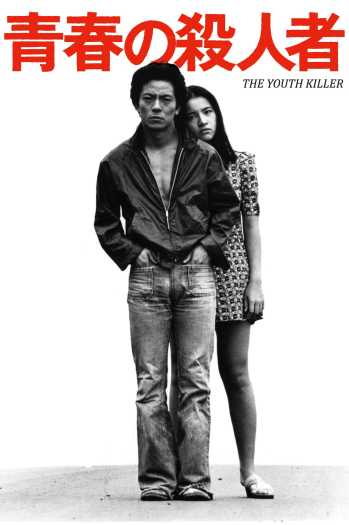
Assassination begins with the events of 1853 when “four black ships” anchored at Edo Bay, sparking civil unrest and the major political manoeuvring that saw the end of the Tokugawa Shogunate. At a time when assassination had become a disturbing political tool, Shinoda’s film follows Hachiro Kiyokawa (Tetsuro Tamba), an ambitious, masterless samurai whose allegiances drift dangerously between the Shogunate and the Emperor.

#942: Kids Return

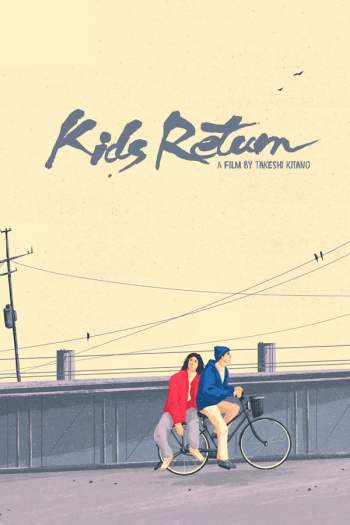
legw1xxeoytrzderklqohx2hef9#942 – Kids Return, (キッズ・リターン), 1996, Takeshi Kitano
Japan

Shinji and Masaru spend most of their school days harassing fellow classmates and playing pranks. They drop out and Shinji becomes a small-time boxer, while Masaru joins up with a local Yakuza gang. However, the world is a tough place…

#944: Double Suicide

xacr5jggzswcnp3j3cuofhfpuou#944 – Double Suicide, (心中天網島), 1969, Masahiro Shinoda
Japan

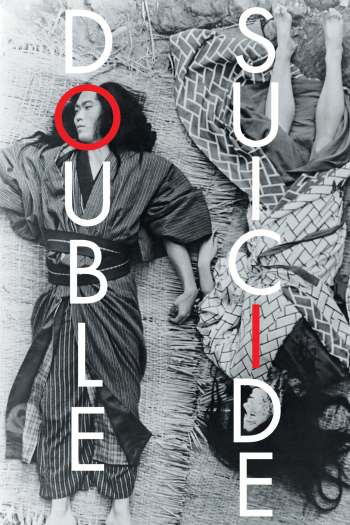
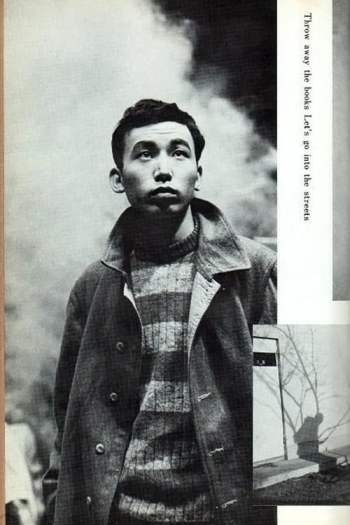
Successful and married with children, paper-mill owner Jihei knows better than to contradict the strict social and moral codes of 18th-century Japan. But when he meets the lovely courtesan Koharu, he becomes a man obsessed. Koharu returns his love, even foregoing other customers while Jihei schemes to somehow buy her freedom. His efforts yield ruinous consequences for his business and his family life, and Koharu is meanwhile purchased by another client.

#945: Kuroneko

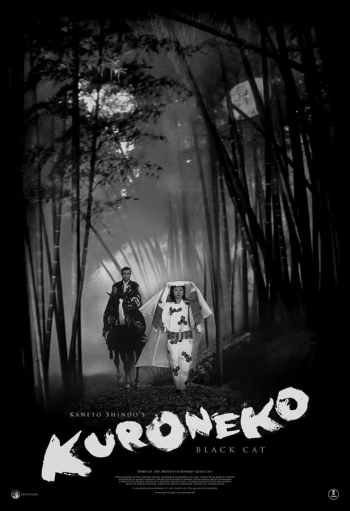
se76vdgmcxctpk1qtmb2irkmj1v#945 – Kuroneko, (藪の中の黒猫), 1968, Kaneto Shindō
Japan

In the Sengoku period, a woman and her daughter are raped and murdered by soldiers during a time of civil war. Afterwards, a series of samurai returning from the war through that area are found mysteriously dead with their throats torn out. The governor calls in a wild and fierce young hero to quell what is evidently an Onryō ghost. He encounters the two beautiful women in an eerie, beautiful scene. After spiritual purification, he meets the demon in a thrilling fight.