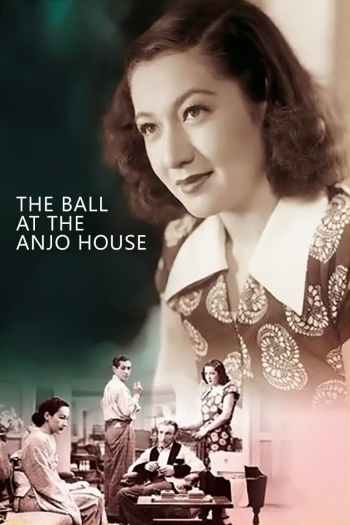
 #708 – The Ball at the Anjo House, (安城家の舞踏会), 1947, Kôzaburô Yoshimura

After Japan’s loss in the war, the wealthy, cultured, liberal Anjo family have to give up their mansion and their way of life. They hold one last ball at the house before leaving. The seemingly cold, cynical son secretly grieves for his defeated father and the values that the war destroyed, while the daughter tries to prevent father from taking his life and to find her own place in the new Japan.
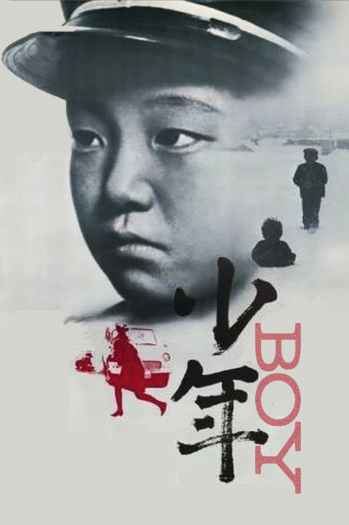 #713 – Boy, (少年), 1969, Nagisa Ōshima
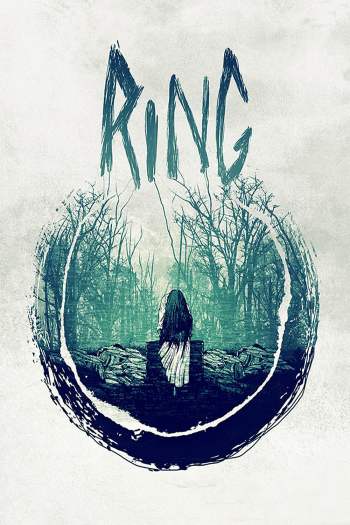 #716 – Ringu, (リング), 1998, Hideo Nakata
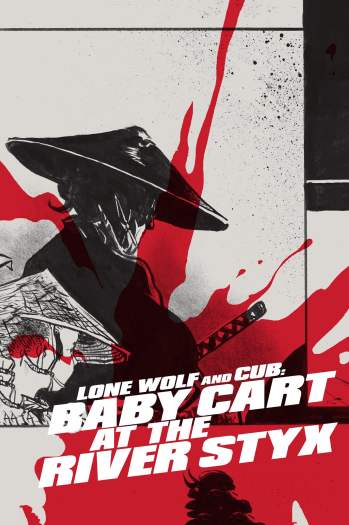 #725 – Lone Wolf and Cub: Baby Cart at the River Styx, (子連れ狼 三途の川の乳母車), 1972, Kenji Misumi
 JUMBO CACTUAR APPROVED FILM
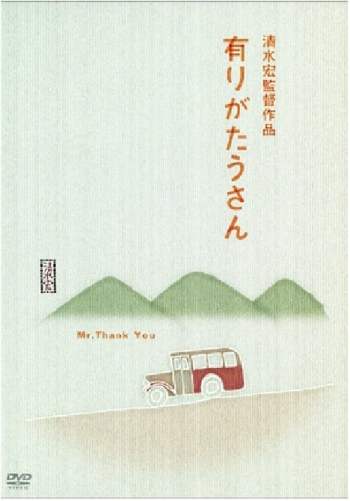 #732 – Mr. Thank You, (有りがたうさん), 1936, Hiroshi Shimizu
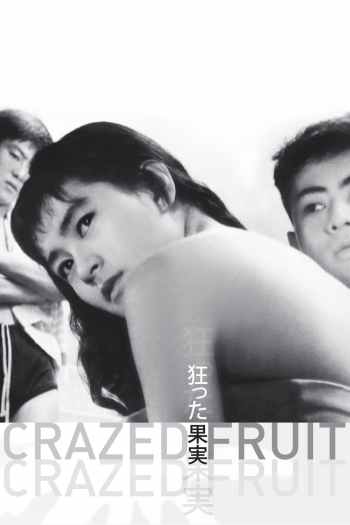 #739 – Crazed Fruit, (狂った果実), 1956, Kô Nakahira
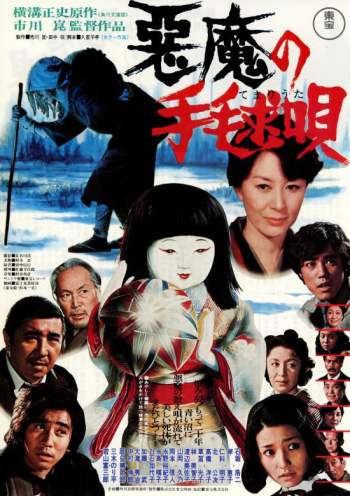 #744 – The Devi’s Ballad, (悪魔の手毬唄), 1977, Kon Ichikawa
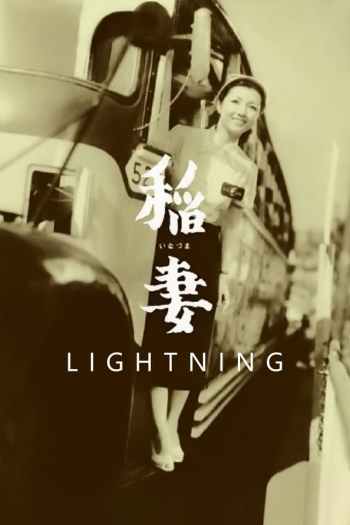 #747 – Lightning, (稲妻), 1952, Mikio Naruse
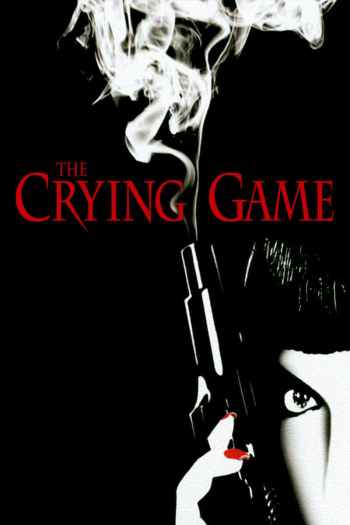 #773 – The Crying Game, 1992, Neil Jordan

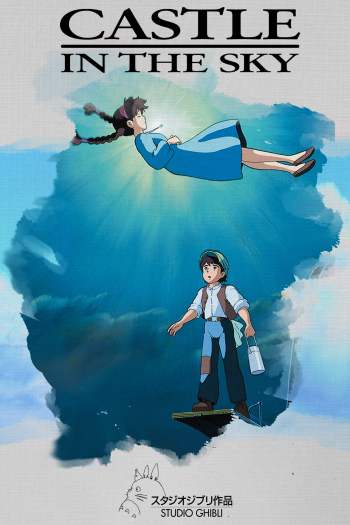 #775 – Laputa: Castle in the Sky, (天空の城ラピュタ), 1986, Hayao Miyazaki
 Jumbo Cactuar Film Index